If You Own It, You're Responsible For It
Most Australian businesses that own lifting and height-access equipment never set out to become compliance experts. You run a warehouse, a factory, a workshop, a farm, a transport yard or a building company — and along the way you bought an overhead crane, a couple of forklifts, an elevated work platform or a truck fitted with a vehicle-loading crane because you need them to get the job done. What many owners don't realise is that the moment that equipment belongs to your business, the legal responsibility for keeping it inspected, tested, maintained and compliant sits squarely with you.
Under Australia's model work health and safety (WHS) laws, your business is a PCBU — a person conducting a business or undertaking — and you carry a primary duty of care to ensure your plant is safe. That means routine inspection, periodic inspection, load testing and, for older equipment, the 10-year major inspection all have to happen on schedule and be documented. Cranes Australia exists to take that entire burden off you. We become the external inspection and engineering department for businesses that own their gear, so you can focus on running the business while we keep your cranes, EWPs, forklifts and rigging gear legal, safe and available.
Your Legal Obligations
- AS1418 (All Parts)Design, construction and safe-use standard for cranes, hoists and winches
- AS2550 (All Parts)Statutory inspection, maintenance and safe-use intervals for cranes and EWPs
- AS2549 Rigging & Lifting GearInspection and rating of slings, chains, shackles and associated rigging gear
- SafeWork Australia / WHSModel WHS Regulations and Codes of Practice for managing risks of plant
- PCBU Duty of CarePrimary duty to keep owned plant safe, inspected and properly maintained
- Plant RegistrationItem-of-plant and design registration where applicable to your equipment
Inspection & Compliance for Business-Owned Lifting Equipment
Australian businesses own an enormous variety of lifting and height-access plant, and every category comes with its own compliance obligations. A warehouse might run overhead and gantry cranes, jib cranes and hoists over its production lines. A workshop or steel fabricator might own a franna crane or pick-and-carry crane alongside a bank of forklifts. Transport yards and mobile tradies operate vehicle-loading cranes and HIAB units bolted to their trucks. Facility managers, councils and builders keep elevated work platforms (EWPs) — scissor lifts, boom lifts and cherry pickers — on site, while almost every business that lifts anything relies on forklifts, telehandlers and a store of lifting slings, chains and rigging gear. All of it falls under AS1418, AS2550 and the model WHS framework administered by SafeWork Australia and the state regulators.
Cranes Australia manages the whole lot under one accountable relationship. Rather than chasing separate vendors for your cranes, your EWPs, your forklifts and your rigging gear, you get a single team that knows your asset register, tracks every due date, and turns up when your equipment is due for routine, periodic or major inspection. Our engineers and technicians work across Sydney, Newcastle, Melbourne, Geelong, Brisbane, the Gold Coast, Perth, Adelaide, Hobart, Canberra and Darwin, plus regional and remote sites, so wherever your business operates we can reach your plant.
Routine, Periodic & 10-Year Major Inspections
AS2550 sets out a structured hierarchy of inspections across the life of a crane or EWP. Routine inspections keep day-to-day defects in check, periodic inspections (typically annual) involve a thorough examination by a competent person, and the 10-year major inspection is the intensive event that strips equipment back to verify its structural and mechanical integrity once it reaches its design working period. For business owners, the 10-year major inspection on an overhead crane, hoist or elevated work platform is often the single largest compliance milestone — and skipping it can render the plant illegal to operate. Our teams perform non-destructive testing (NDT) — magnetic particle inspection, ultrasonic testing and dye penetrant — on load-bearing welds, hooks and structures, and reconcile findings against AS1418 design requirements.
Load Testing, Proof Load & NATA-Endorsed Reporting
After a repair, a modification, a new installation or a registration, your equipment often needs load testing before it can safely go back into service. We deploy calibrated test weights and water-weight bags to confirm rated capacity, overload protection and limit-switch function on overhead cranes, gantry cranes, jib cranes, vehicle-loading cranes, hoists and lifting beams, with NATA-endorsed testing where required. Proof load testing is also central to certifying lifting slings, chains, shackles and rigging gear. Every result is captured in a report your auditors, insurers and clients will accept without question.
Registered & Chartered Engineering Sign-Off
When your equipment falls outside the standard case — an out-of-scope repair, a proposed derating, a structural modification, or a machine that has reached the end of its design working period — you need a registered or chartered engineer to sign off. Cranes Australia provides that engineering authority nationally, protecting business owners from operating plant whose paperwork will not survive a SafeWork audit or an insurance investigation. It is the difference between compliant, insurable equipment and a hidden liability sitting in your workshop.
Equipment We Inspect
If your business owns it, we can inspect, test and certify it — from overhead cranes to the slings on the shelf.
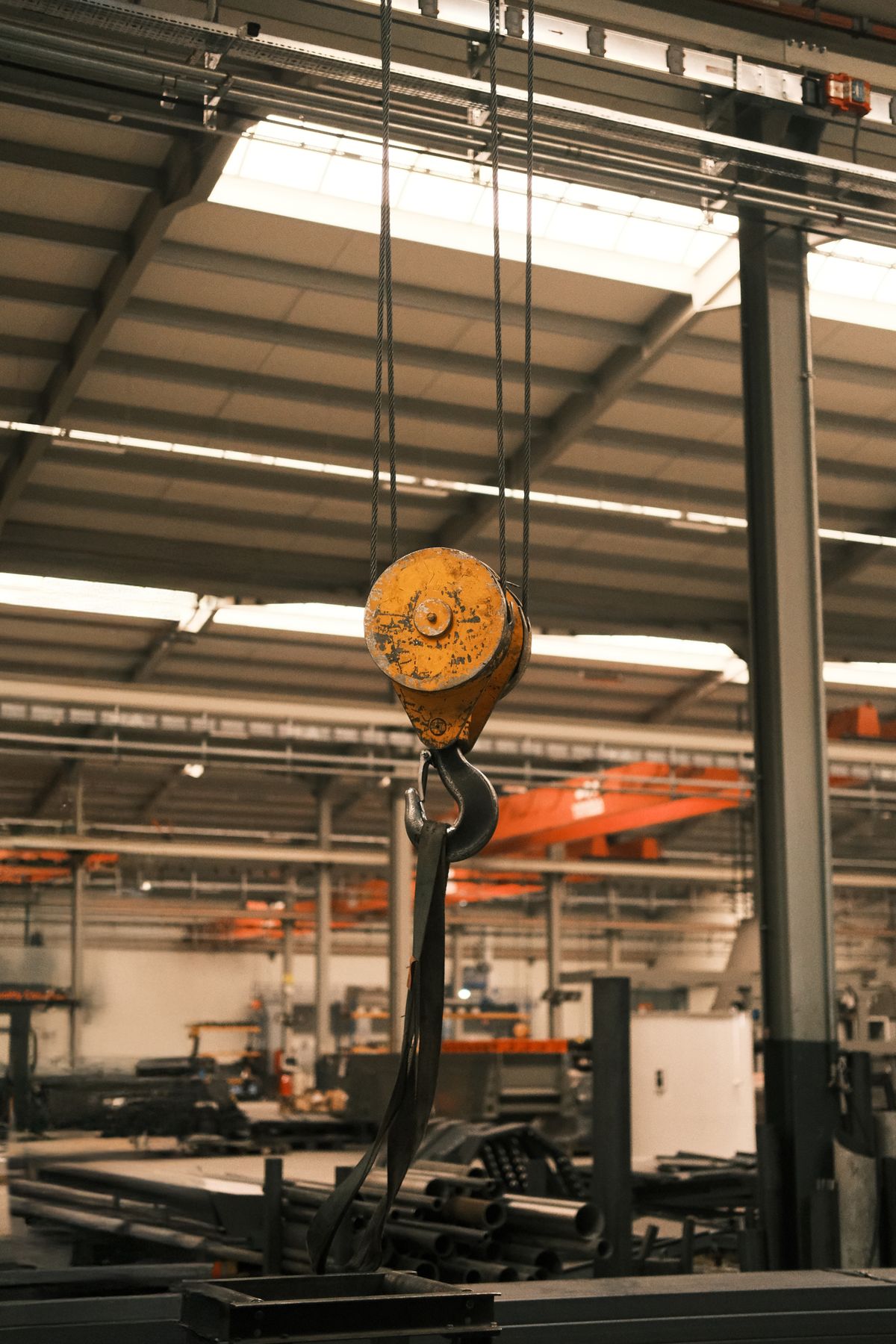
Overhead & Gantry Cranes
Factory and warehouse overhead cranes, gantry cranes, jib cranes and hoists inspected and load tested to AS1418 and AS2550 so your workshop keeps moving safely.
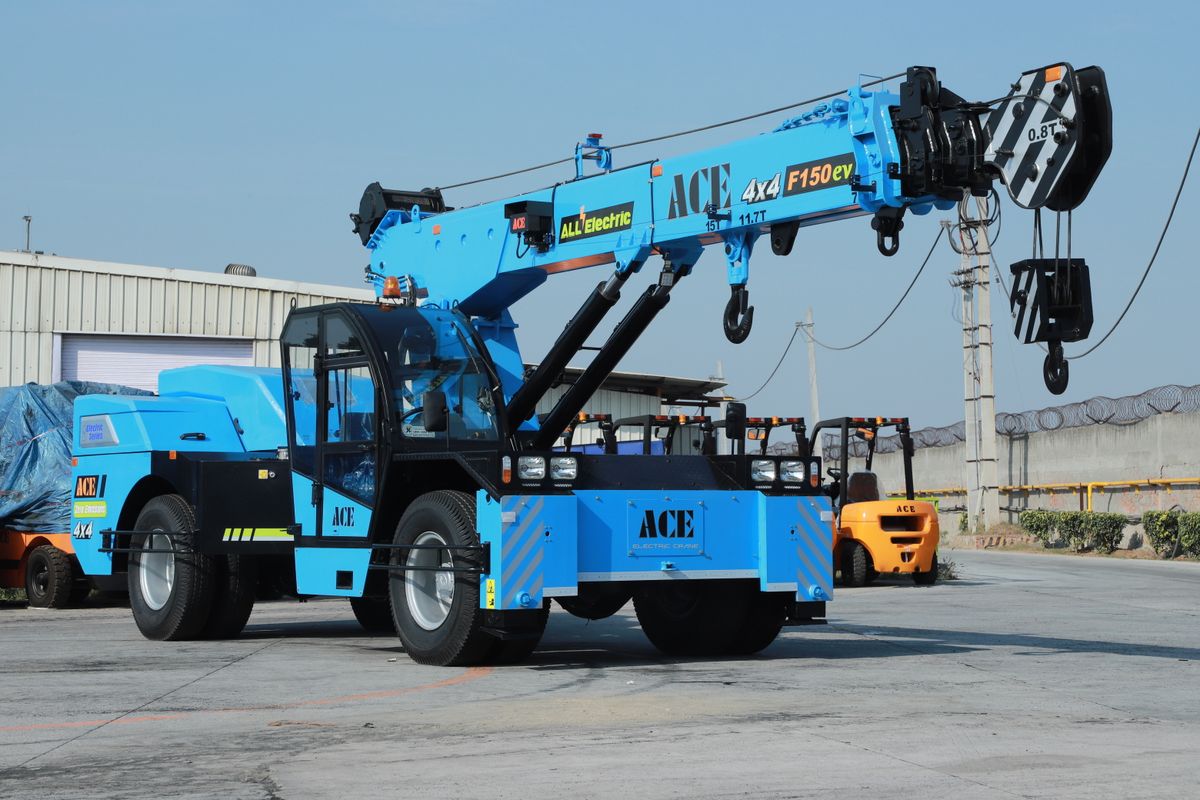
Mobile & Pick-and-Carry Cranes
Franna cranes, pick-and-carry cranes and small mobile cranes owned in-house get routine periodic inspections, load testing and the 10-year major inspection when due.
Vehicle-Loading Cranes / HIAB
Truck-mounted vehicle-loading cranes and HIAB units on your transport fleet are inspected, proof load tested and certified to keep drivers and loads safe.
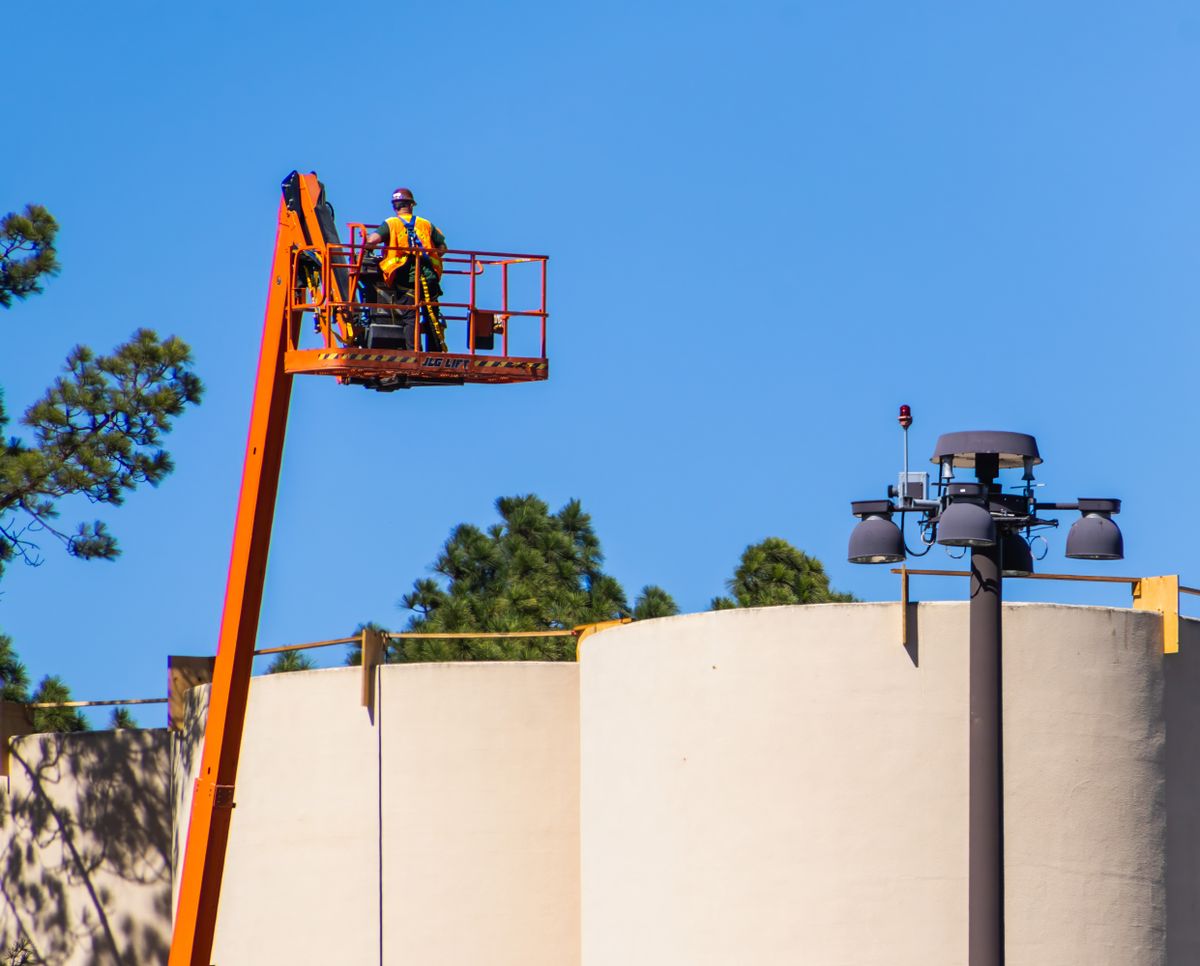
Elevated Work Platforms (EWPs)
Scissor lifts, boom lifts and cherry pickers receive routine and periodic inspection, function testing and the 10-year major inspection required for EWPs over 11 metres.
Forklifts & Telehandlers
Counterbalance forklifts, reach trucks and telehandlers inspected for structural, hydraulic and load-rating compliance under WHS plant duties.
Lifting & Rigging Gear
Lifting slings, chains, shackles, hooks, lifting beams and other rigging gear inspected, tagged and load rated so your teams lift with compliant equipment.
Why Compliance Matters for Owners
Letting inspection and load testing lapse on business-owned plant is one of the most expensive risks a company can carry.
WHS Fines & Prosecution
As the PCBU you carry a primary duty of care under the model WHS Act. Uninspected or unregistered plant can trigger improvement notices, prohibition notices and six-figure penalties from SafeWork regulators.
Voided Insurance
If an overhead crane, forklift or EWP fails and you cannot produce current inspection and load test records, your insurer can decline the claim — leaving your business exposed to the full cost of an incident.
Unplanned Downtime
A crane or forklift pulled from service during a surprise audit stops production. Planned periodic inspection keeps your equipment available and your workflow uninterrupted.
Injury & Liability
Dropped loads, EWP tip-overs and forklift failures cause serious injuries. Beyond the human cost, directors and officers can face personal liability where due diligence obligations are not met.
Services for Equipment Owners
Inspection, testing, engineering and compliance programs that keep your owned plant safe, legal and available.
Crane Inspections
Routine and periodic AS2550 inspections for overhead, gantry, jib and mobile cranes you own, scheduled around your operating hours.
Explore ServiceInspection & Testing
NDT (non-destructive testing), function testing and thorough examination of your lifting plant by qualified technicians.
Explore ServiceLoad Testing
On-site proof load testing of cranes, hoists, EWPs, vehicle-loading cranes and lifting beams with calibrated weights and water bags.
Explore ServiceElevated Work Platforms
Routine, periodic and 10-year major inspections for scissor lifts, boom lifts and cherry pickers owned by your business.
Explore ServiceLifting Equipment
Inspection, tagging and load rating of slings, chains, shackles, hooks and rigging gear across your whole equipment register.
Explore ServiceMajor Inspections
Programmatic 5-year and 10-year major inspections that keep ageing owned plant legally in service and audit-ready.
Explore ServiceCompliance Management
We track your asset register, inspection due dates and plant registration so nothing lapses and every record is on file.
Explore ServiceCertification
Independent certification and reporting your auditors, insurers and clients accept — bulletproof documentation for every asset.
Explore ServiceEquipment Inspection Coverage Across Australia
Mobile inspection teams and engineering support for business-owned cranes, EWPs, forklifts and lifting gear in every state and territory — from metro warehouses in Sydney, Melbourne and Brisbane to farms, workshops and remote sites in Western Australia and the Northern Territory.
Why Cranes Australia?
One accountable partner for every item of plant you own — cranes, EWPs, forklifts, telehandlers and rigging gear.
Proactive scheduling — we track your asset register and tell you when each machine is due, so nothing ever lapses.
Independent, impartial inspections and NATA-endorsed testing that satisfy SafeWork regulators, auditors and insurers.
Registered and chartered engineering sign-off for repairs, deratings and end-of-design-life decisions on ageing plant.
Scenario in Action
"A family-run distribution business in Western Sydney owned a 5-tonne overhead crane, two counterbalance forklifts and a scissor lift, but had no formal inspection program in place. When their insurer requested current compliance records, they came to Cranes Australia. We built a single asset register, performed AS2550 periodic inspections and load testing on the overhead crane, inspected and re-rated the forklifts, completed the EWP function testing, and identified that the crane was approaching its 10-year major inspection. Within two weeks they had audit-ready certification, a scheduled inspection calendar, and their insurance cover confirmed — with zero interruption to their dispatch operation."
Frequently Asked Questions
Let Us Take the Compliance Burden Off You
If your business owns cranes, EWPs, forklifts, telehandlers or lifting gear, Cranes Australia will build you a single inspection and compliance program that keeps everything safe, legal and available. Routine inspections, periodic examinations, 10-year major inspections, load testing and certification — all managed for you, anywhere in Australia.
Request an Inspection